What changed
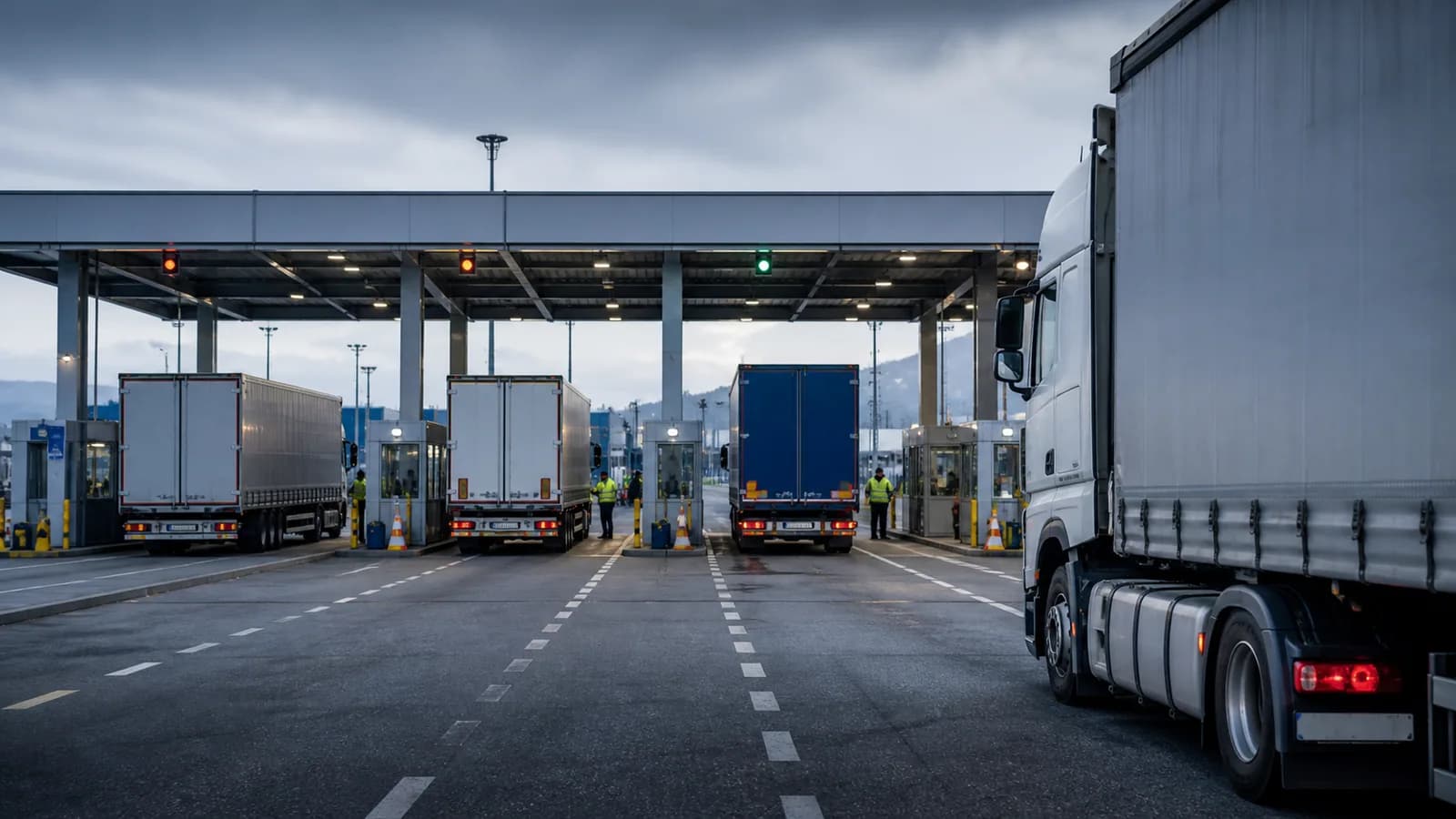
Customs transit allows goods to move across customs territories while import duties, taxes and commercial-policy measures are temporarily suspended. Clearance can therefore take place at the destination instead of the first point of entry. The European Commission distinguishes Union transit inside the EU customs framework from the wider common-transit procedure.
Key details
Common transit connects the EU with EFTA countries, Türkiye, North Macedonia, Serbia, the United Kingdom, Ukraine, Georgia, Moldova and Montenegro. The manual published on 31 July is organised into nine parts covering the status of goods, guarantees, NCTS, business continuity, simplifications, discharge and enquiries, debt and recovery, and TIR.
What it means for logistics
For an actual shipment, the manual should be used to confirm who files the declaration, which guarantee applies, how the MRN is followed, which customs offices are involved and what to do if NCTS is unavailable. It explains operational practice; the Union Customs Code and the Common Transit Convention remain the legal basis.
What to check in practice
- Confirm the required declarations, codes and guarantees before dispatch.
- Check whether NCTS, ENS, TIR or another procedure applies to this movement.
- Keep a responsible customs contact available until the movement is discharged.