What changed
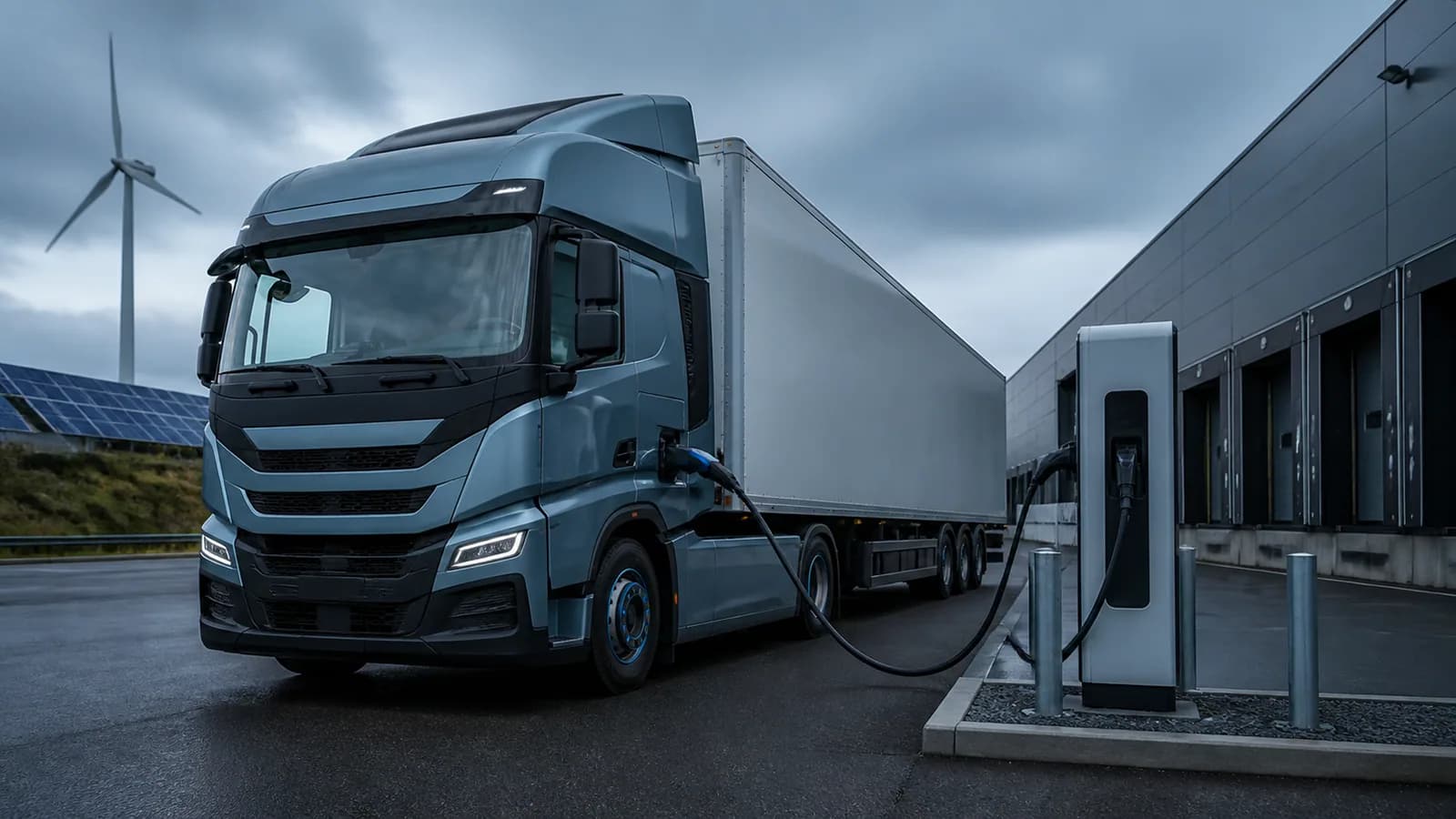
The European Commission's plan treats commercial road transport as a priority in the shift from fossil fuels to electricity. For heavy trucks, the core obstacles are not only vehicle availability but also high upfront cost, dependable depot and corridor charging, grid access and predictable electricity prices.
Key details
The Commission plans to review AFIR by the end of 2026, collect data on depot-charging needs and update common specifications for public and private charging points. It also proposes extending Clean Transport Corridors to more TEN-T routes, reducing investment risk for charging stations and allowing strategic transport users to receive priority grid connections where capacity is limited.
What it means for logistics
Further steps include recommendations on fiscal and non-fiscal purchase incentives by the end of 2026 and a Clean Vehicles Directive review by the end of 2027. For carriers, this means an electric-fleet decision should combine vehicle cost, depot power, route charging, dwell time and financing; policy targets alone do not yet make every route operationally viable.
What to check in practice
- Confirm equipment type, quantity, temperature and special cargo requirements.
- Reserve a realistic loading slot and name the operational contact.
- Share access rules and required documents before the vehicle arrives.