
What changed
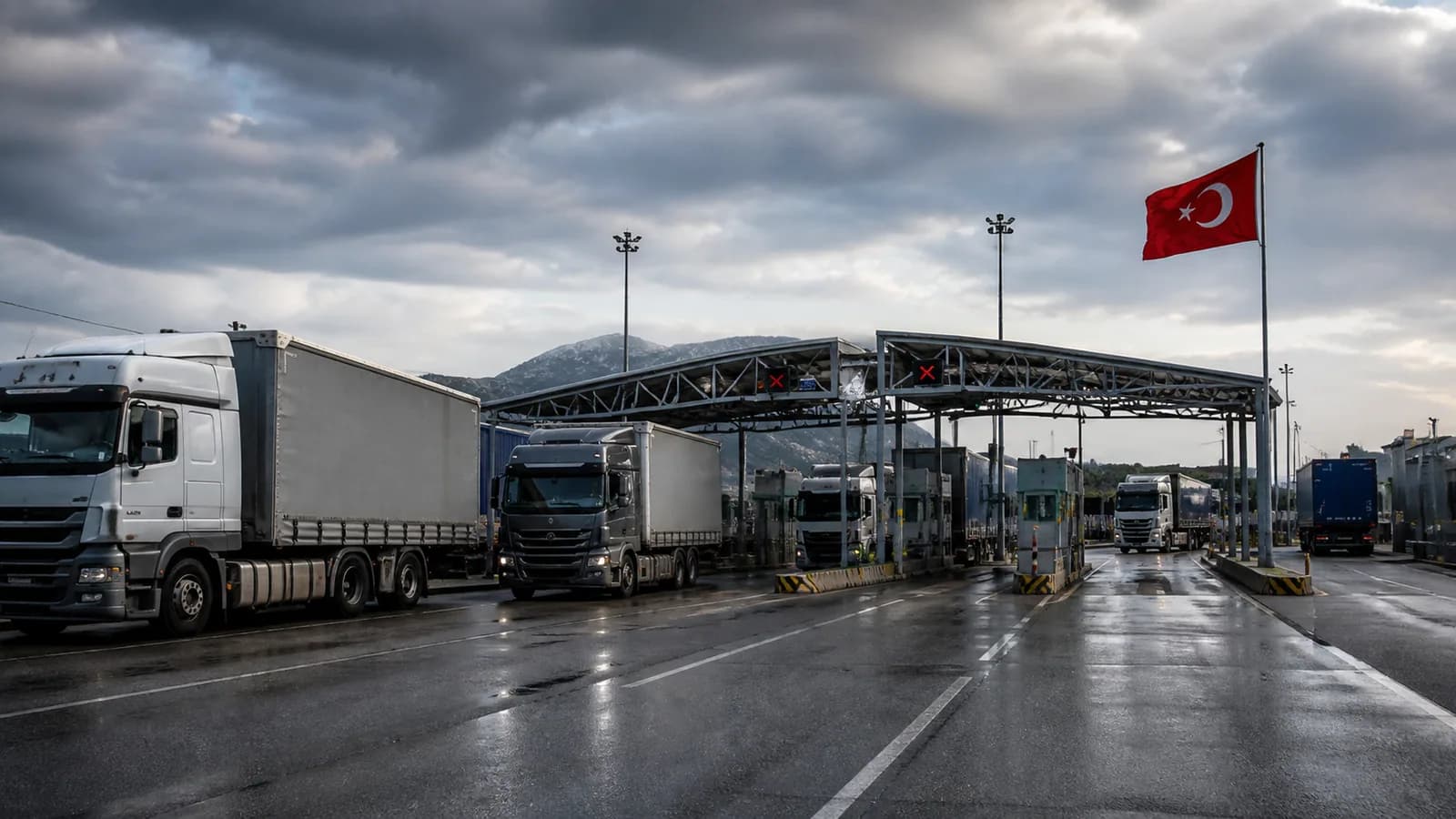
A route should be planned as a sequence of operational checkpoints, not only as the shortest line on a map. Border opening hours, queue behaviour, customs-office capability, permit rules, ferry or terminal cut-offs and weekend restrictions can change the real transit time.
Key details
Before confirming delivery, the dispatcher should compare the primary crossing with at least one workable alternative, verify the driver's documents and route permissions, and add time for customs, rest periods and possible inspection. The alternative must be legal for the vehicle, cargo and procedure — a nearby crossing is not automatically usable.
What it means for logistics
During the trip, update the estimate when the queue or terminal slot changes and record the reason. A clear revised ETA is more useful to the customer than an optimistic original promise, and the history helps the company price the same route more accurately next time.
What to check in practice
- Check border queues and realistic alternate crossings before fixing the route.
- Add a time reserve to loading, transit and delivery windows.
- Update the customer when corridor capacity or infrastructure changes the estimate.