What changed
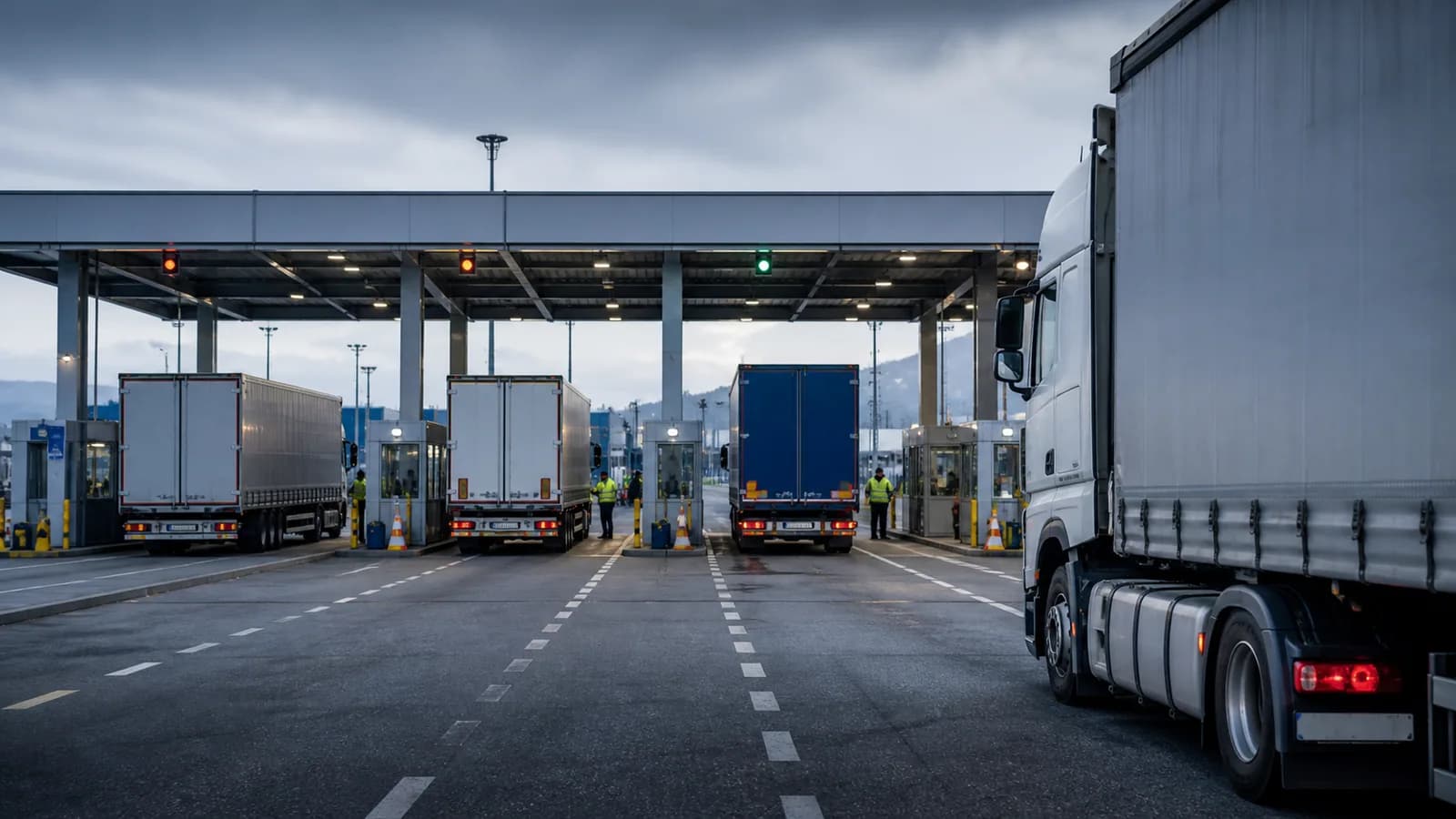
Fuel is only one moving part of a road-freight rate, but it can quickly change the margin on a long route. A sound calculation starts with loaded and empty kilometres, expected consumption, fuel prices along the route, tolls, ferries, permits, driver time and likely border or terminal waiting.
Key details
The quote should say which assumptions are fixed and which may trigger a surcharge: a fuel baseline, exchange rate, included waiting time, loading or unloading window and validity period. Without that record, the shipper and carrier can interpret the same agreed number differently after conditions change.
What it means for logistics
Before booking, compare the calculation with current market signals, but do not replace route economics with an average rate. Keep a simple cost sheet and update it after the trip using actual fuel, empty run and delay data; repeated routes then become easier to price and negotiate.
What to check in practice
- Compare the current benchmark with the real route, equipment and loading window.
- Include fuel, empty mileage, border delays and terminal costs in the calculation.
- Record what is included in the agreed rate before dispatch.