What changed
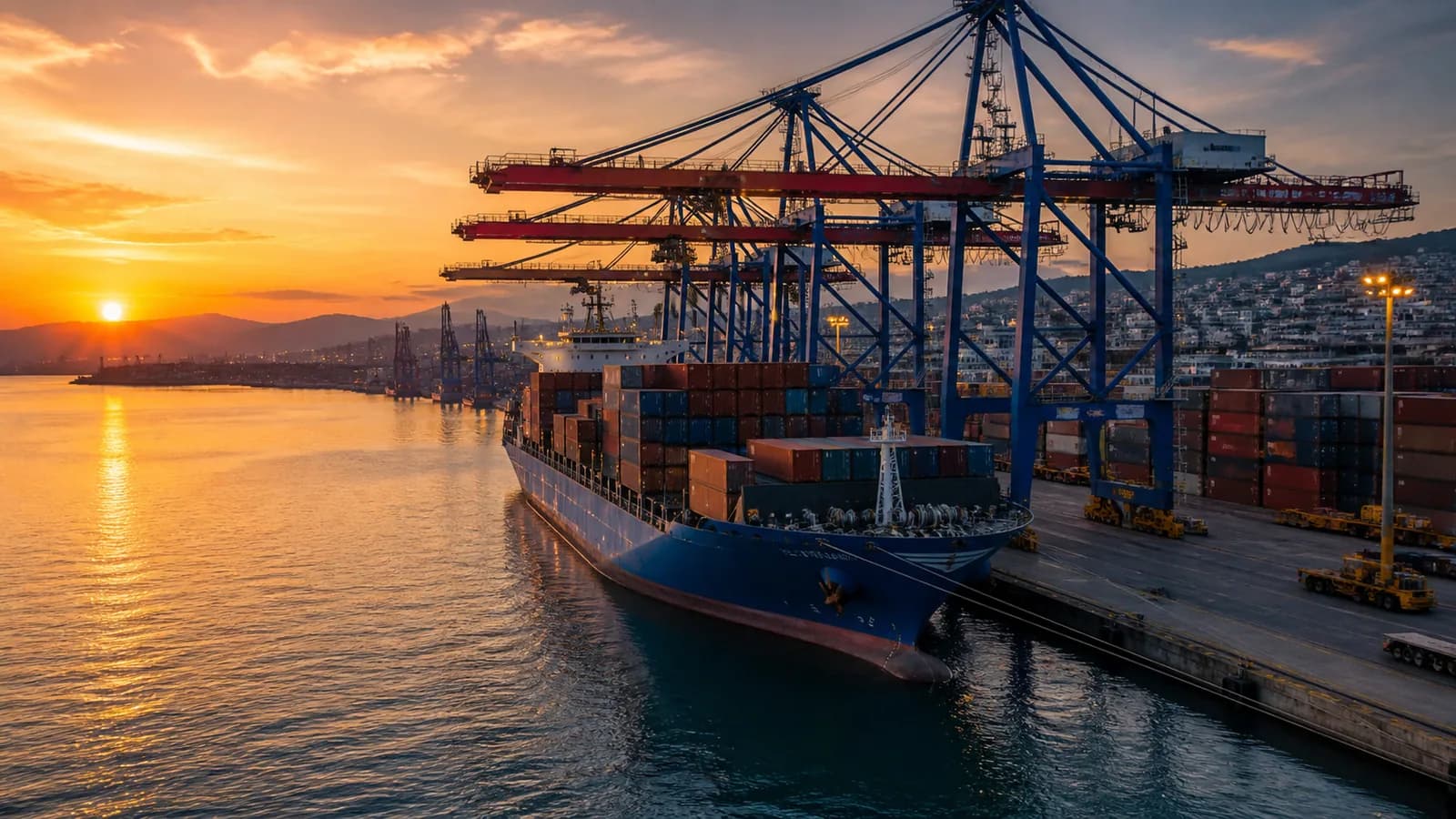
Drewry's World Container Index for 25 June 2026 increased 5% in one week to USD 4,166 per 40-foot container. The movement was driven mainly by transpacific lanes, showing that a global average can change quickly even when a shipper's own corridor looks stable.
Key details
The WCI is a market benchmark, not a ready quotation for every shipment. The actual price still depends on origin and destination ports, equipment, carrier, free time, surcharges, contract terms and the booking week. Capacity management and blank sailings can also change both rate and schedule reliability.
What it means for logistics
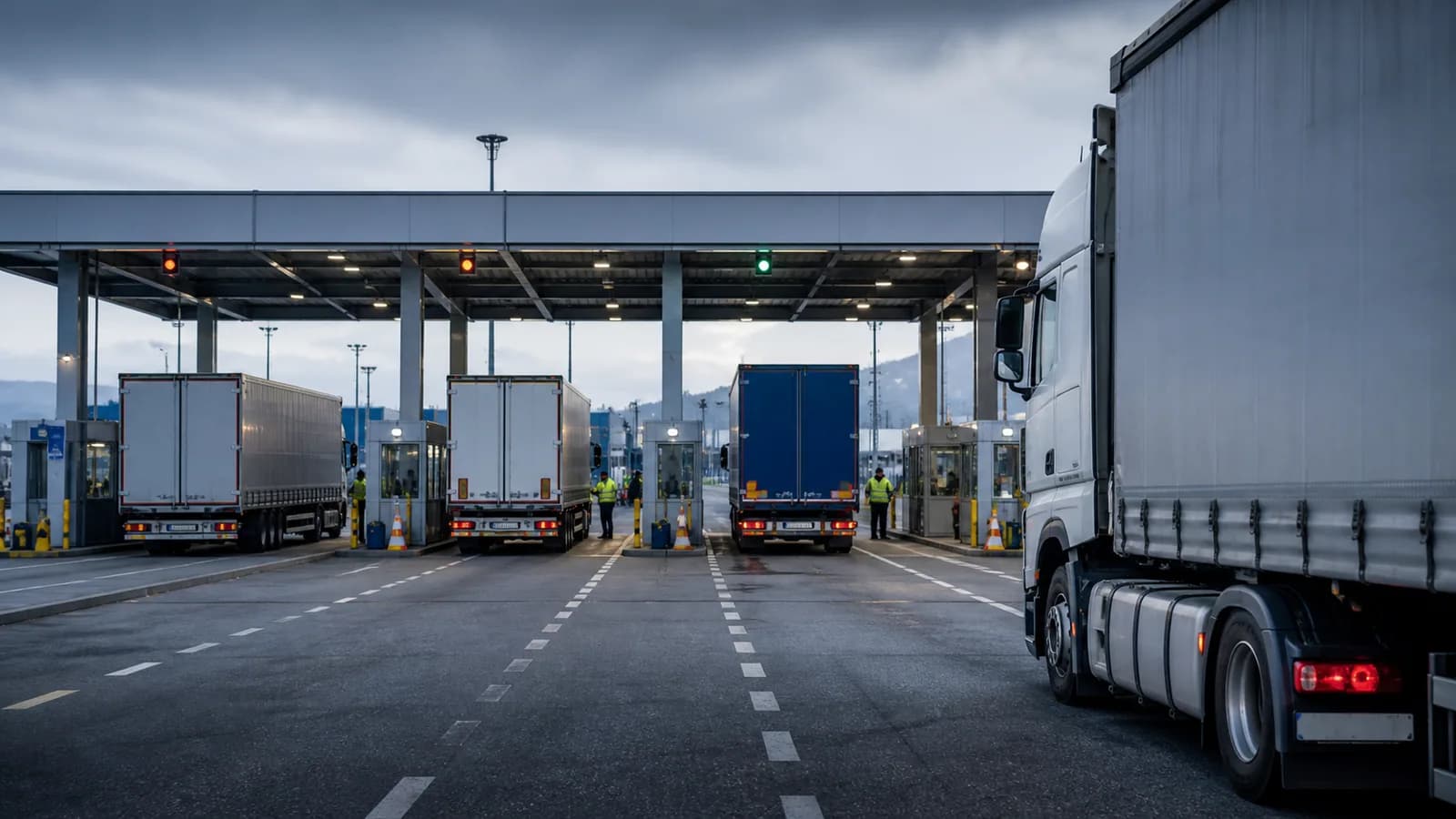
For a multimodal chain, a higher sea rate can affect the budget and timing of port haulage, rail slots, storage and final-mile trucking. Procurement teams should record the index date, compare the relevant lane and confirm which surcharges are included instead of applying the headline percentage directly to every route.
What to check in practice
- Compare the current benchmark with the real route, equipment and loading window.
- Include fuel, empty mileage, border delays and terminal costs in the calculation.
- Record what is included in the agreed rate before dispatch.